


Photo Recovery, All Restore
3.6138.00 Reviews
App Specs
- Version
- 1.4.2
- Updated On
- License
- Free
- Downloads
- 5,000,000+
- Developer
- Techverse LTD
- Categories
- Tools
- Platform
- Android
Screenshots


 Analysis by AppCompare
When a photo disappears, the first instinct is often to install a recovery tool and start tapping through every option. I’d pause before doing that. With Photo Recovery, All Restore, the useful first step is to work out whether the picture was deleted from the device, moved somewhere else, or simply isn’t showing where you expected. That small check can save time and makes it easier to judge what a scan actually finds.
Where recovery attempts can get stuck
Photo Recovery, All Restore is a free tools app from Techverse LTD, aimed at bringing back deleted photos and videos and retrieving documents. Its average rating is 4.2 from around 3,500 ratings, and it has over 1 million installs. Those figures suggest that many people have tried it, but they cannot guarantee that a particular missing file will be recoverable. Recovery depends on the file’s situation, not just on which app you choose.
The most frustrating point with any recovery attempt is often identifying the right result. A scan can surface files with similar-looking names or thumbnails, especially when you are trying to find one image among many. I’d preview a likely match before restoring it, then check the restored item in the place where I intend to keep it. That extra check is more reliable than selecting several possibilities in a hurry and sorting them out later.
It also helps to be realistic about timing. If you have just noticed a deletion, avoid creating unnecessary new files or repeatedly saving images to the same device while you decide what to do. That is a sensible precaution rather than a promise that recovery will work: a recovery app cannot turn every deleted file into a usable copy. If a file matters a great deal, I would check any existing backup or synced copy before treating an app scan as the only route.
Getting Started with Photo Recovery, All Restore
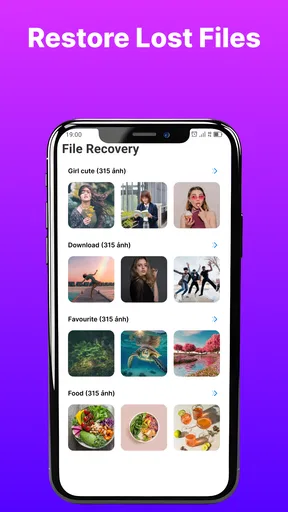
First things first, downloading the app is a breeze. It's available for both Android and iOS, so you’re covered no matter your device preference. Once installed, the interface greets you with a clean and intuitive design. No clutter here, just straight-to-the-point options that anyone can navigate without a headache.
The app does a solid job of explaining its features right off the bat. You’ll find a simple menu that guides you through recovering deleted photos, videos, and more. No need to be a tech wizard to understand the process. Just follow the prompts, and you'll be well on your way to restoring those precious files.
Setup checks that prevent wasted effort
Before starting, I’d confirm that I’m looking on the device where the file was actually stored. A photo missing from one phone may still be present in a cloud library, a message thread, or another device. Recovery software is not a substitute for checking those ordinary locations, and finding a synced copy there can be quicker and safer than trying to restore an old local file.
Worth Reading Before You Choose

EA SPORTS FC Mobile 26 Is a Bigger Football Game, but It Takes Time

Flipboard Shows What News Apps Must Do Beyond the Feed

Switching to Android Auto Means Rethinking Your Driving Routine

Google Calendar Makes a Crowded Week Easier to Manage

Ludo King Makes the Most of the Minutes Between Plans

Baby Panda World Brings Quick Play to Modern Phones, but Its Game Library Feels Busy
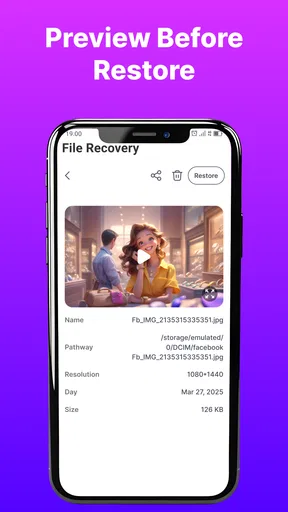
Then I’d make the search specific. If I remember roughly when I took the picture, what it showed, or whether it was a photo or a video, I’d use that knowledge to narrow down what I inspect rather than treating every result as equally likely. The app’s preview is especially useful here: confirm the actual image before restoring, rather than relying only on a filename or a vague recollection.
There is also a practical trade-off around space and organization. Restoring everything that looks familiar can leave you with duplicates and a crowded gallery. I’d select only the files I can identify, then check where the restored copies appear and whether they open correctly. If the recovered item is important, I’d make a separate backup once it is safely accessible. That keeps the recovery step from becoming the last place the file exists.
Diving Into the Features
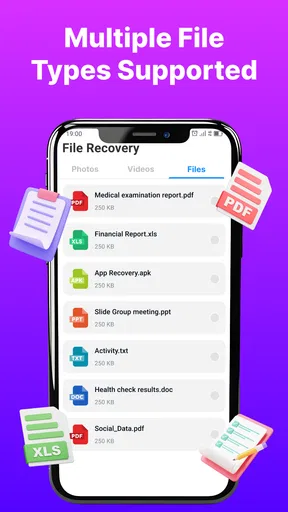
So, what makes Photo Recovery, All Restore stand out from other recovery apps? For starters, it supports a multitude of file formats. Whether you’re trying to recover JPEGs, MP4s, or even RAW files, this app has got your back. I found this particularly helpful when dealing with a mix of media files.
Another feature that tickled my fancy is the preview option. Before committing to recover a file, you can preview it to ensure it's the right one. This saves a ton of time and prevents unnecessary clutter. Plus, it feels pretty awesome to see your lost files again!
For a realistic everyday example, imagine clearing space after a weekend out and accidentally deleting a photo you meant to keep. I’d stop deleting or editing files, open the recovery app, and use the preview to check likely matches before restoring just the right image. If the picture turns out to be in a backup or a shared conversation instead, I’d use that copy rather than creating another recovered duplicate. The value is less about pressing one magic button and more about having a focused way to inspect possible files.
That workflow also shows who is most likely to appreciate the app: someone who wants a straightforward recovery attempt for personal media and is comfortable checking results themselves. It is less suitable for someone who expects a guaranteed restoration, needs professional data recovery for critical work, or has no patience for reviewing possible matches. In those situations, checking backups first—or seeking specialist help for irreplaceable files—may be the better choice.
How it compares with the usual alternatives
Compared with manually searching a gallery, folders, or a cloud service, a recovery app has a different job: it helps look for items that no longer appear in the normal places. I would still check those ordinary locations first, because a backup or synced copy is often easier to verify and keep. Compared with relying on a backup alone, recovery can be useful when a recent file was never copied elsewhere, but its success is less certain. These approaches work best as a sequence, not as competing promises.
One non-obvious habit worth adopting is to separate finding a file from deciding where it belongs. First preview and identify it; then restore only the confirmed item; finally, make sure it opens and place a safe copy somewhere you can find again. This reduces accidental clutter and gives you a clear stopping point. If a scan returns many candidates, patience and selective checking are more useful than assuming that a longer list means a better result.
When the app may not be the cause
If a scan does not show the item you want, I would not immediately assume the app is malfunctioning. The file may still be in another location, may have been removed in a way that leaves no recoverable copy, or may not be identifiable among the results. I’d check the gallery’s recently deleted area if available, look through relevant backups and synced libraries, and confirm I am searching the device or account that held the original.
For basic troubleshooting, I’d close and reopen the app, make sure the device has enough free space for any files I intend to restore, and follow the prompts carefully. If the result is still missing, repeating the same scan over and over is unlikely to answer the underlying question. I’d move on to checking other copies instead. That is a more useful next step than treating every unsuccessful search as proof that another recovery app will solve it.
It is also worth keeping expectations modest about file quality. A preview can help establish whether a result is the image you remember, but seeing a candidate does not automatically mean the restored file will be complete or useful. I’d open the restored copy and check it before deleting other candidates or relying on it for anything important. For work documents or unique family photos, I would preserve any other available copy until I know the recovery is sound.
Performance and Usability
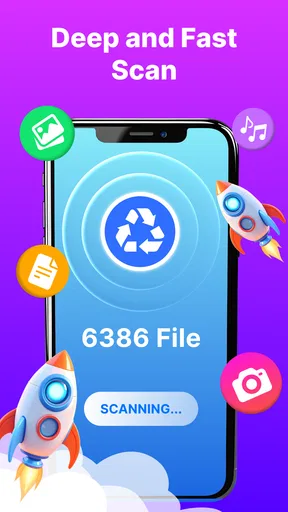
The app’s performance is impressive. It scans your device quickly and efficiently without hogging resources or causing lag. I tested it on a few different devices, and it consistently delivered speedy results. It doesn’t hurt that the app’s developers seem committed to regular updates, which keep things running smoothly.
Usability-wise, the app scores high marks. The instructions are clear, and the process is straightforward. Even if you’re not particularly tech-savvy, you’ll find it easy to navigate the app’s features with minimal fuss.
For compatibility, the current version is 1.3.3 and the stated minimum Android requirement is 8.0. The app is rated for Everyone, which makes its intended audience broad, though a recovery result still needs careful checking by whoever uses it. It is free to install, with in-app purchases listed from $9.99 to $69.99 per item, so I’d review any purchase prompt closely and decide whether its terms make sense for my needs before paying.
Photo Recovery, All Restore was released on May 9, 2025. I would treat the version number and release date as useful context when checking whether the app is current on my device, not as proof that every recovery scenario is covered. If you run into a problem, first make sure you have followed the app’s on-screen instructions and checked the obvious backup locations; those steps can distinguish a setup issue from a file that simply is not available to recover.
Who should choose another route
I would skip a recovery app as the first choice if I already know the file is safely backed up, because restoring that copy is usually simpler. I would also avoid depending on a phone app alone for a one-of-a-kind business document or a large collection that needs careful preservation. For those cases, a verified backup or professional assistance is a more prudent route than repeated experiments on the only device holding the material.
People who mainly want to organize photos, prevent future loss, or manage a cloud library may be better served by the gallery and backup tools they already use. Recovery is a rescue task, not a replacement for a routine backup. My practical advice is to use this app when something has genuinely gone missing, not as a reason to postpone making a second copy of files that matter.
Wrapping Up My Thoughts
In a nutshell, Photo Recovery, All Restore is a reliable and efficient tool for anyone needing to recover lost media files. It’s user-friendly, quick, and supports a wide range of file types. Whether you've accidentally deleted a cherished photo or need to restore a video, this app has got you covered.
So, if you're in the market for a recovery app that won’t let you down, give Photo Recovery, All Restore a try. It might just become your digital safety net, ready to catch those lost moments and bring them back to life.
Pros
- Recovers photos quickly and efficiently.
- Supports multiple file formats for recovery.
- User-friendly interface for easy navigation.
- No root access required for basic recovery.
- Offers preview before restoring files.
Cons
- Limited free recovery options.
- In-app ads can be intrusive.
- May not recover all lost files.
- Advanced features locked behind paywall.
- Requires internet for some functionalities.
FAQs for Photo Recovery, All Restore
What is Photo Recovery, All Restore?
Photo Recovery, All Restore is an application designed to help users recover deleted photos and media files from both internal and external storage on their Android devices. It supports various file formats and provides a user-friendly interface to make the recovery process simple and efficient.
How does the app recover deleted photos?
The app scans your device's storage for traces of deleted files, using advanced algorithms to identify and restore them. It can recover photos from both internal memory and SD cards, ensuring that users have a higher chance of retrieving lost media. The app is designed to be safe and does not overwrite existing data.
Is the app free to use, or does it have in-app purchases?
Photo Recovery, All Restore offers a free version with basic recovery features. However, to access advanced recovery options and additional functionalities, users may need to make in-app purchases. The free version is often sufficient for standard recovery tasks, but the paid version can enhance the recovery experience.
What file formats are supported by Photo Recovery, All Restore?
The app supports a wide range of file formats, including JPEG, PNG, GIF, and more. It is designed to recover various types of media files beyond photos, such as videos and audio files, making it a versatile tool for data recovery on Android devices.
Is Photo Recovery, All Restore safe for my device?
Yes, the app is designed to be safe and secure for your device. It does not require root access and does not overwrite existing files during the recovery process. The app respects user privacy and ensures that only the necessary permissions are requested to perform its functions effectively.


